
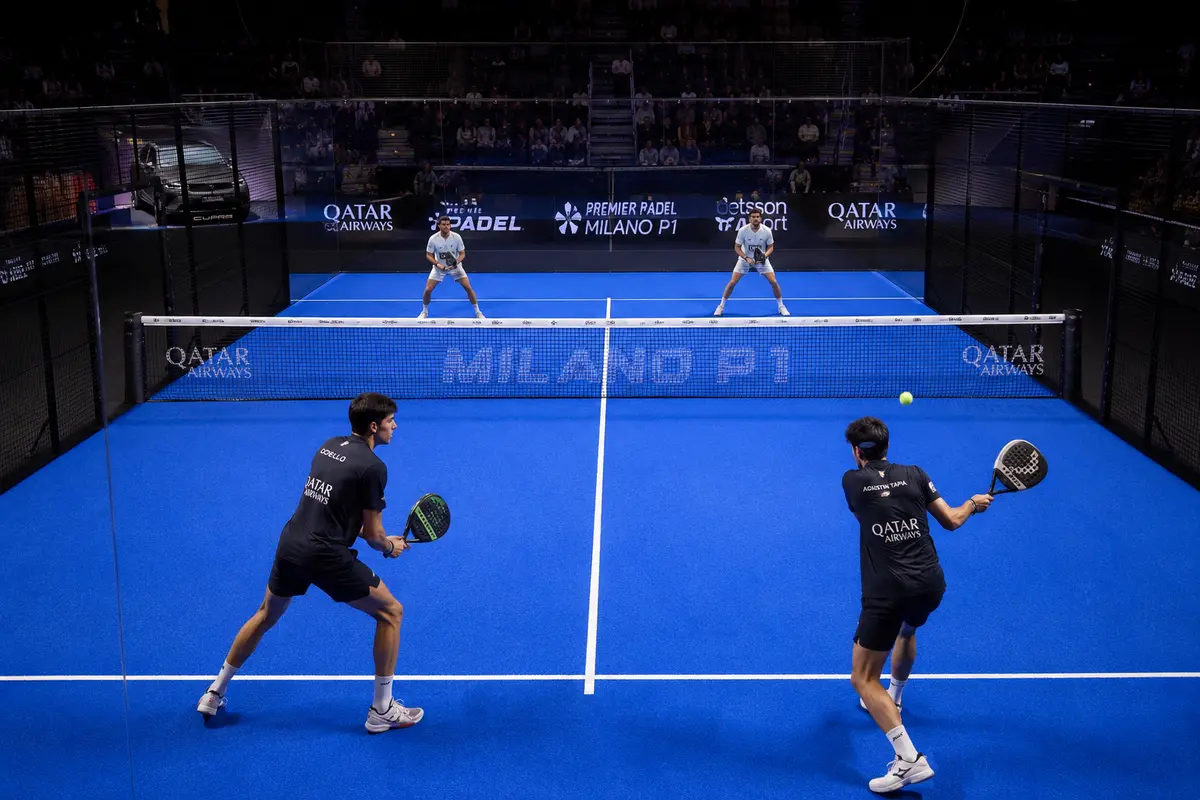
How To Play Padel – Easy Guide for Beginners
Have you ever seen friends laughing and playing inside a small court with glass walls and wondered why this sport is becoming so popular? The game is called padel. Padel has quickly become one of the fastest-growing sports. It’s very similar to tennis.
If you’re wondering how to play padel, you’re not alone. One of the main reasons for its rapid rise in popularity is that it’s not only great fun but also feels surprisingly easy to pick up right from the start. Unlike traditional tennis, the enclosed court keeps the ball in play much longer. This lets players focus more easily on teamwork and improving their game.
For new players, learning padel is not difficult or scary. Once you understand the basic rules for padel and get some practice, you can start playing with confidence. The truth is that padel is not only about power. Good positioning, control, and playing smart shots matter much more. That’s why it has become such a fun and easy sport for people of almost every age and fitness level.
In this article, we’ll walk you through padel step by step: how to play it, the basic rules, how to learn the shots, and simple strategies to play better on court. By the end, you’ll feel ready and confident to play your first padel match.
Padel Court
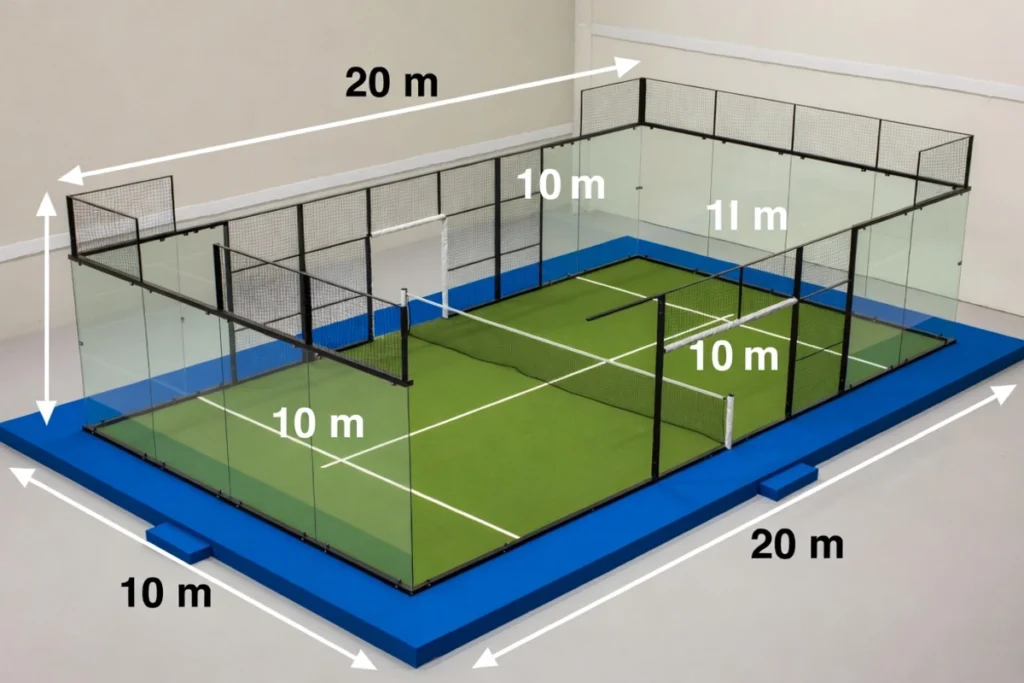
Before you start playing padel, it’s a good idea to get your head around how the court is laid out. It’s quite different from tennis and squash. Tennis is normally played outdoors on open courts, while squash is played indoors in a fully enclosed court. Padel, on the other hand, is played on a smaller rectangular court surrounded by glass and mesh walls.
A standard padel court is 20 metres long by 10 metres wide, so it’s noticeably smaller than a tennis court. There’s a net across the middle that’s about 88 cm high in the centre. White lines on the floor mark out the service boxes. The back walls are usually 4 metres high, with glass along the bottom and mesh up top.
Basic Padel Rules
The rules in padel are pretty simple and very beginner-friendly. Serves are always underarm. You bounce the ball on the ground first, then hit it from below waist height into your opponent’s service box.
After the serve, the ball must bounce once on the floor before the receiver returns it. It can then hit the walls. Players can use the side walls on their own half to return the ball, which really speeds the game up and makes it more exciting.
If the ball bounces twice on the ground or you serve incorrectly, the point goes to the other team.
Fouls include overarm serves, foot faults, and the ball bouncing twice. If your serve clips the net but still lands in the right spot, it’s called a “let” and you just serve again.
Padel Scoring System
Padel uses pretty much the same scoring as tennis. Points go 15, 30, 40, and then the game.
A match is usually best of three sets. The first team to win six games takes the set, provided they are at least two games ahead. If the score reaches 6-6, they play a tiebreak.
Singles and Doubles
Padel is mostly played as doubles, with four players on the court. Singles can also be played, but it’s not very common and rarely features in official competitions.
The basics of padel aren’t difficult to understand. That’s why even new players usually start getting the hang of the game after just a few practice sessions.
Essential Equipment
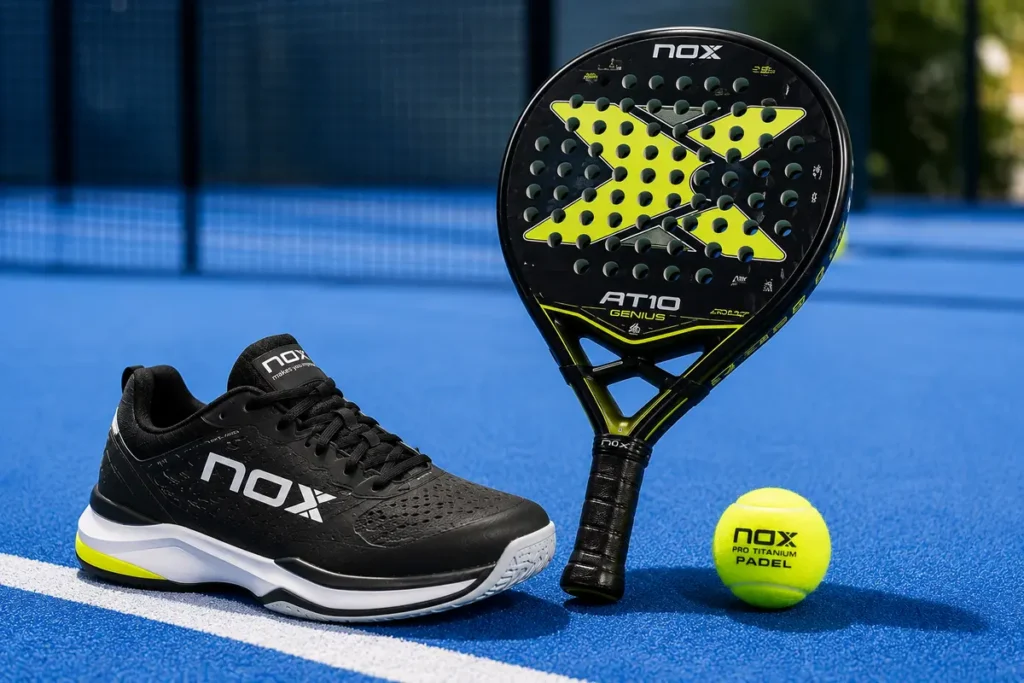
- Padel racket
The most important thing you need to play padel is a padel racket. Unlike a tennis racket, it has no strings. It’s smaller and solidly built, which gives you better control over the ball. For beginners, a round-shaped racket with a soft core is usually easiest to handle.
- Padel ball
A padel ball looks like a tennis ball, but it has less air pressure inside. That’s why it doesn’t bounce quite as much.
- Shoes
Choosing the right shoes matters too. Proper padel shoes are best if you have them, but you can start with tennis shoes or ordinary sports trainers. Just remember that normal running shoes can increase the risk of slipping.
Padel Shots
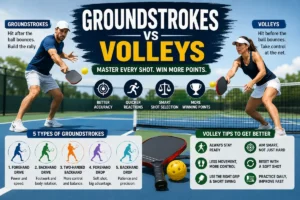
If you want to learn to play padel, you need to focus on the basic shots.
Service: Use a soft, controlled underarm motion.
Forehand and backhand: Play relaxed shots on the ball as it rebounds off the wall.
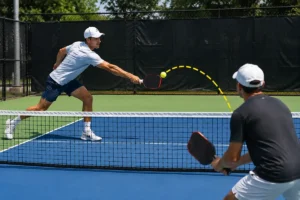
Volley: Stay close to the net and hit the ball before it bounces.
Bandeja: A special slice overhead shot that helps with both defence and attack.
Vibora: A modern overhead shot with plenty of spin.
By practising gradually, you’ll soon start playing much better.
Simple Padel Strategies for Beginners
In padel, just hitting the ball hard isn’t enough. Where you stand on the court really matters. The team that controls the space near the net has a much better chance of winning.
Use the walls smartly and don’t rush every shot. Keep talking to your partner – call out “mine”, “yours” or “leave it” – so you both stay on the same page.
If you’re defending, stay calm and wait for the right moment. Attack when you get a good chance. Lob shots are a great way to push the other team back.
Fitness and Health Benefits of Padel
If you want a game that’s fun and keeps you fit, padel is a great choice. It helps improve your heart health, strengthens your balance, and sharpens your reflexes. Plus, it makes your body feel more active and agile.
Because the padel court is smaller than a tennis court, you don’t have to run around as much, and it puts less strain on your joints. That’s why many people find it easier and less tiring.
If you want to avoid injury, do a gentle warm-up before playing and stretch afterwards. This helps your muscles recover better and keeps your body from getting too stiff.
How to find a Padel court and get started
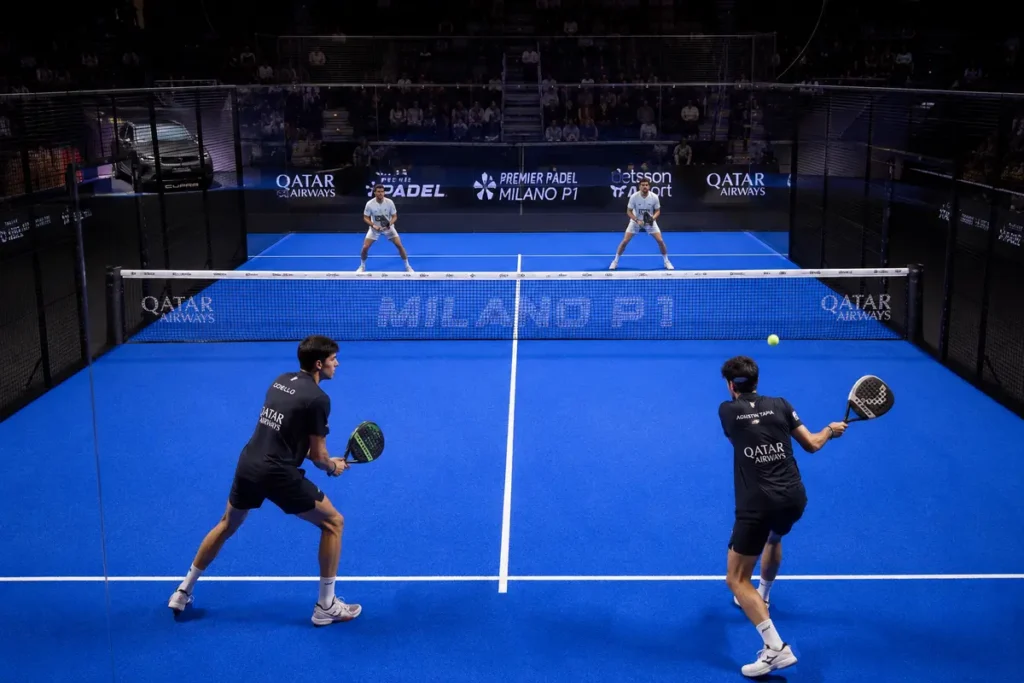
If you want to start playing padel, finding a court is much easier these days than it used to be. Many padel clubs and sports centres now offer online booking, so you can easily reserve a court, find a partner to play with, or join coaching sessions.
If you’re a new player, taking some beginner classes is a really good idea. You’ll learn the basic rules, proper technique, and good court positioning safely and simply. Getting the right guidance at the start makes the game feel much easier and more confident once you’re out on the court.
Conclusion
You now have all the basic information you need on how to play padel. Once you understand the court, the rules, the equipment, the technique, and the strategy, you’ll be ready to play your first match.
The most important thing is simply to get on the court and start playing. Play with a friend, join a class, or find a club nearby. Most people get hooked on the game after just a few rallies.
So pick up your racket, find a partner, and step into the world of padel. This could be the start of your new favourite sport.
One Comment